

Body of Christ Fellowship at Vaughn’s Chapel
יוֹם הַכִּפֻּרִים
The Day of Atonement
A holy day of humility, repentance, reconciliation, and cleansing before YHWH
10th Day of the Seventh Month • Leviticus 16 • Leviticus 23:26–32
A Set-Apart Appointment
A Time to Humble Our Souls
The Day of Atonement—Yom HaKippurim—is one of the appointed times given by YHWH to His people. It is not an ordinary day, nor is it merely a remembrance of ancient ritual. Scripture calls it a Sabbath of solemn rest: a day to cease from our usual labor, humble ourselves, and come honestly before our Creator.
Today we step away from noise, appetite, distraction, and self-importance. We examine our ways, confess sin, seek forgiveness, make peace where we can, and remember that cleansing is something only YHWH can provide.
The Torah Pattern
Atonement, Cleansing, and Restoration
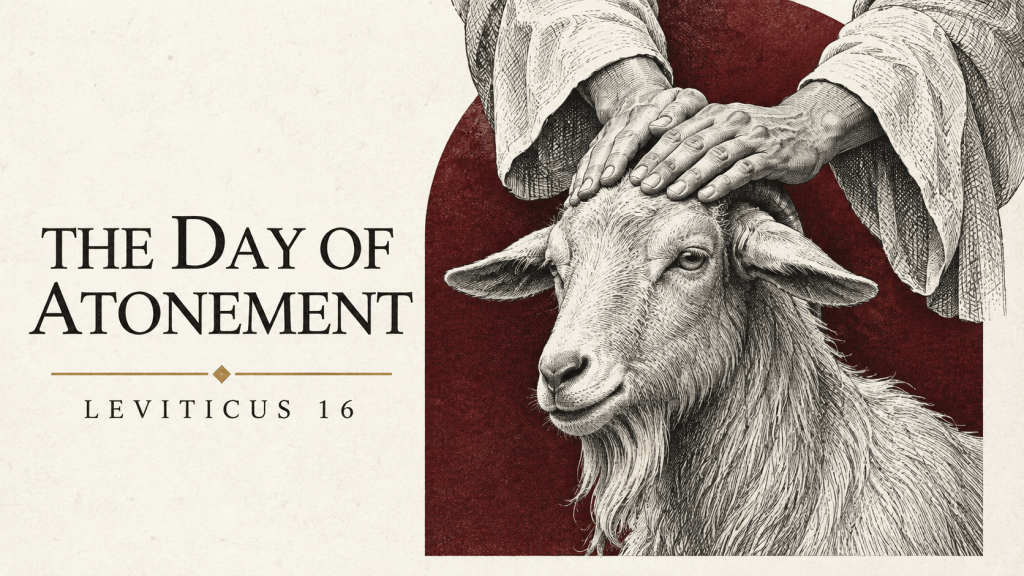
Leviticus 16 describes the solemn service performed by the high priest. He first made atonement for himself and his household, then for the sanctuary and the people. One goat was offered as a sin offering; over the other, the sins of Israel were confessed before it was sent into the wilderness. Together, these actions revealed both the cost of sin and YHWH’s merciful provision for removing its burden.
01
Approach with Reverence
The high priest did not enter the Most Holy Place carelessly. YHWH’s holiness was to be honored.
02
Confess What Is True
Sin was named and confessed. Atonement never treated rebellion as though it did not matter.
03
Receive Cleansing
The purpose was cleansing and restored fellowship—not shame without hope.
More Than Going Without Food
The Fast YHWH Desires
Isaiah 58 warns that outward fasting is empty when injustice, strife, hardheartedness, and oppression remain untouched. Afflicting the soul is not a performance. It should bring us low enough to see our sin clearly and move us toward obedience.
A meaningful observance asks more of us than temporary hunger. Are we loosening the burdens we have placed on others? Are we caring for those in need? Are our words and actions consistent with the mercy we ask YHWH to show us?
The Greater High Priest
Atonement and the Work of Messiah
The book of Hebrews draws our attention from the earthly sanctuary to the greater ministry of Messiah. Yeshua, our faithful High Priest, entered not with the blood of animals but through his own obedient sacrifice. What the annual service taught in pattern, Messiah accomplished in a greater and enduring way: opening the way for repentant people to draw near to YHWH with cleansed consciences.
Remembering Messiah does not make YHWH’s appointed time meaningless. It gives us deeper reason to observe it with humility and gratitude. The Day of Atonement teaches us the gravity of sin, the holiness of YHWH, the necessity of repentance, and the astonishing mercy offered through His appointed means of reconciliation.
Questions for Honest Reflection
- What sin have I excused, hidden, or refused to name?
- Whom have I harmed through my words, choices, neglect, or pride?
- Is there an apology, restitution, or act of mercy I need to make?
- Am I extending to others the patience and forgiveness I ask from YHWH?
- What must change so that repentance becomes visible in the way I live?
A Prayer of Repentance
Father, search us and reveal what is unclean within us. Give us courage to confess without excuse, humility to make right what we can, and strength to turn from sin. Create in us clean hearts, renew steadfast spirits within us, and teach us to walk faithfully in Your ways. We thank You for Your mercy and for the atoning work of Messiah, our High Priest. Amen.
Suggested Scripture Reading: Leviticus 16:1–34 · Leviticus 23:26–32 · Numbers 29:7–11 · Isaiah 58 · Psalm 51 · Hebrews 9–10
 The Body of Christ Fellowship At Vaughn's Chapel
Leave a comment