

Category: Sabbath Report
-
BOCF Sabbath Report | Celebrating 250 Years: Remembering Faith, Freedom & Our Responsibility
“Blessed is the nation whose God is the Lord.” — Psalm 33:12 This Sabbath was one of reflection, gratitude, and remembrance as our fellowship gathered during America’s 250th anniversary celebration. Throughout the day we considered both Scripture and history, examining what it means to pursue liberty under God while remembering our responsibility to faithfully pass…
-
Why Did We Start a Church? A Call to Heal, Grow, and Walk Together
BOCF Sabbath Report – June 27, 2026 This Sabbath was one of heartfelt reflection, honest conversation, and encouragement as we examined not only why our congregation exists, but also why each of us chooses to gather together every Sabbath. Our day began with Bible Study led by Skip Martin, continuing the Harmony of the Gospels…
-
When the Anointed Cries to God
“When we cry to God, the Lifter of our Head, our perspective changes.” Yesterday’s Sabbath at The Body of Christ Fellowship at Vaughn’s Chapel was a day of worship, encouragement, and reflection as we continued our study through the Psalms. The service began with fellowship and Bible study led by Skip Martin, who guided the…
-
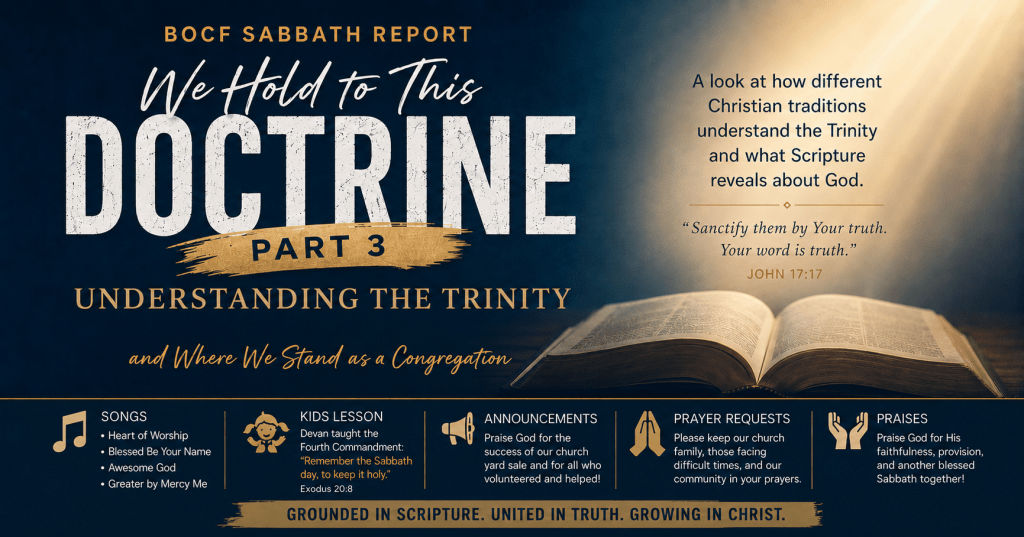
We Hold to This Doctrine – Part 3: Understanding the Trinity and Standing on Biblical Truth
BOCF Sabbath Report – June 13, 2026 This Sabbath was a wonderful time of worship, fellowship, study, and reflection as we continued our series, “We Hold to This Doctrine.” In Part 3, Michael guided us through one of Christianity’s most discussed and foundational beliefs—the doctrine of the Trinity. Rather than looking at the subject from…
-
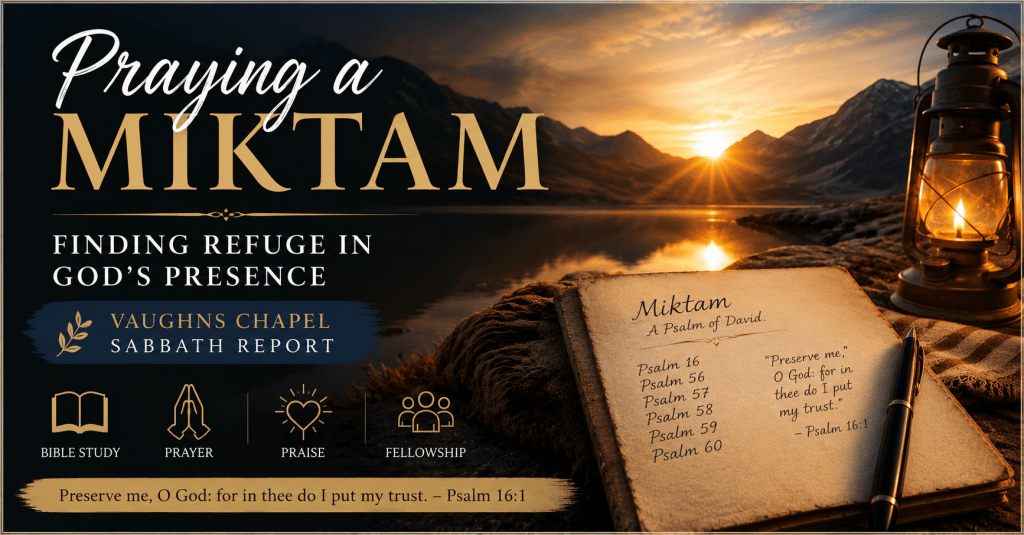
Trusting God Through Every Season: A Miktam Sabbath
Welcome & Fellowship Today was a wonderful Sabbath as members and friends gathered for worship, Bible study, prayer, and encouragement. We are thankful for the opportunity to grow together in faith and to support one another through prayer and fellowship. “Preserve me, O God: for in thee do I put my trust.” — Psalm 16:1…
-
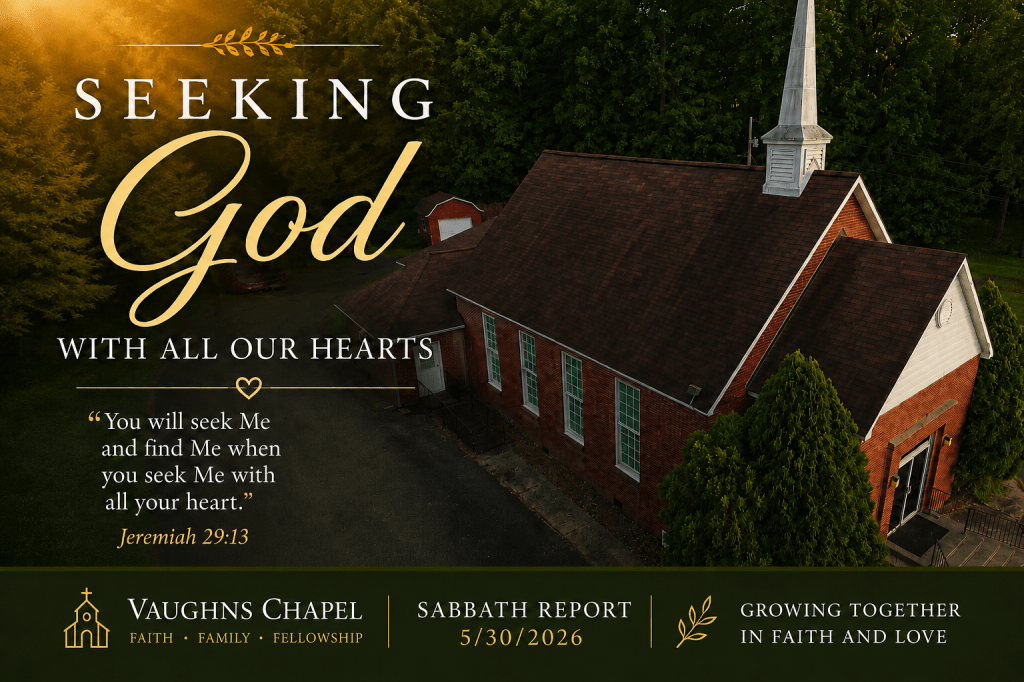
Seeking God With All Our Hearts
BOCF Sabbath Report | May 30, 2025 “You will seek Me and find Me when you seek Me with all your heart.” — Jeremiah 29:13 This Sabbath was filled with meaningful worship, heartfelt fellowship, Bible study, and a powerful reminder of the importance of understanding one another through the love of Christ. As our church…
-
Pentecost: When the Spirit Was Poured Out
Today at Vaughn’s Chapel, we gathered together in worship, reflection, and fellowship as we focused on the meaning and power of Pentecost. With 32 in attendance, hearts were lifted in praise as we remembered not only an event from Scripture, but the ongoing work of God’s Spirit among His people today. Special music and offertory…
-
🌿 Songs to the Creator: A Joyful Sabbath of Worship, Fellowship & Children’s Challenges 🌿
“The heavens declare the glory of God; and the firmament sheweth his handywork.” – Psalm 19:1 Today’s Sabbath fellowship at Vaughn’s Chapel was filled with worship, learning, laughter, and heartfelt connection. We were blessed to gather together as the Body of Christ with 32 in attendance, including 10 children and several guests. From prayer and…
-
Standing Firm in Truth- Holding to Sound Doctrine
This Sabbath, the Body of Christ Fellowship gathered together in fellowship, worship, prayer, and study. We were blessed with an attendance of 16 adults, 8 children, and 4 guests as we came together seeking the presence of God and encouragement through His Word. Bible Study The Bible study was hosted by Steve Martin and focused…
-
If Yahshua Wrote to Us Today…
Today’s Sabbath gathering was filled with worship, reflection, prayer, and gratitude as we came together in fellowship at Body of Christ Fellowship. The morning message was brought to us by Sarah M speaking on “Lampstands & Warnings: A Living Message to the Church,” a study through the seven churches in Book of Revelation chapters 2–3.…
 The Body of Christ Fellowship At Vaughn's Chapel